
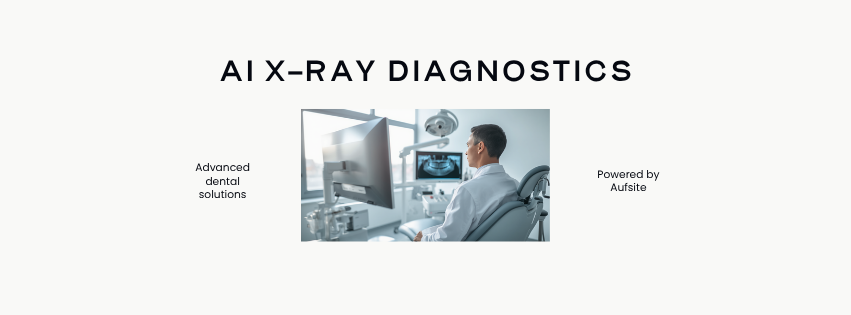
AI dental X-ray diagnostics stopped being a novelty this year. The FDA has now cleared 44 dental AI systems since 2021 — 18 of them in 2025 alone — and most flag cavities, bone loss, and hidden pathology directly on the radiograph a dentist is already reading. For practice owners in NJ, NY, and PA still relying on the naked eye and a hunch, the question isn’t whether to adopt this technology. It’s how to do it without creating a HIPAA problem.
Why Dentists Are Paying Attention Now
Two things changed in 2025. First, the FDA clearance pipeline for dental imaging AI accelerated sharply — 44 systems now hold 510(k) clearance, up from a trickle in 2021, with players like Pearl and Overjet leading a market that’s moved from pilot projects to standard chairside tools. Second, the accuracy caught up to the hype. A peer-reviewed deep learning model trained on panoramic radiographs hit 98.2% accuracy identifying tooth and sinus structures, according to research published in the British Dental Journal — precise enough to catch conditions like odontogenic sinusitis that are routinely missed on a quick read.
That combination — more cleared products, better accuracy — is why dental offices across New Jersey, New York, and Pennsylvania are asking their IT partners the same question this quarter: can we add this without ripping out our existing practice management system?
Dental AI, By The Numbers
The Part Nobody Mentions: Where the X-Ray Data Actually Goes
An AI diagnostic model is only useful if it can see the radiograph, write findings back into the chart, and stay inside HIPAA’s lines while doing it. That means connecting an AI tool to imaging software, the practice management system, and sometimes a cloud PACS archive — three separate systems, each a potential exposure point if access isn’t governed tightly. This is exactly the gap Aufsite’s Secure MCP Framework closes: it gives AI tools scoped, authenticated, auditable access to practice data instead of a blanket login, so a diagnostic model can read a radiograph without ever having open access to the full patient record.
Dental PCA: Diagnostics Built Into the Workflow, Not Bolted On
Aufsite’s Dental PCA platform was built for exactly this moment — layering AI-assisted diagnostics and practice management on top of the systems a dental office already runs, without a rip-and-replace migration. For a multi-location practice in NJ or a solo office in PA, that means the imaging AI, the scheduling data, and the compliance controls live in one governed environment instead of three disconnected vendor logins. The dentist still makes the diagnosis; the AI just makes sure nothing gets missed on the read, and every access to that data is logged for a HIPAA audit.
Practices in NY are asking the same question as their NJ and PA counterparts: which vendor can actually secure this, not just sell it. That’s the gap a local, AWS-fluent implementation partner fills — configuring the access controls, encryption, and audit trail before the first radiograph ever touches an AI model.
If your practice is evaluating AI-assisted imaging or has already licensed a tool and needs it deployed securely, Aufsite can architect the integration end to end. See how Dental PCA brings AI diagnostics into a governed, HIPAA-ready workflow for practices across New Jersey, New York, and Pennsylvania.